Causes of Insomnia. Sleep Disorder
Insomnia is more than just a bad night’s sleep. It’s a persistent challenge that affects millions of people worldwide, often disrupting daily life and overall well-being. Understanding the causes of insomnia can help you identify patterns and make meaningful changes to improve your sleep quality. Whether you're a busy professional, a creative thinker, or someone managing a demanding lifestyle, knowing the factors behind sleep disturbances is essential.
What Is Insomnia?
Insomnia refers to difficulty falling asleep, staying asleep, or waking up too early and not being able to go back to sleep. It can be short-term or chronic, and it often leads to fatigue, irritability, and reduced productivity. The causes of insomnia are varied, but they typically involve a mix of physical, mental, and environmental factors.
Common Causes of Insomnia
Several everyday habits and conditions can contribute to insomnia. Recognizing these triggers is the first step toward better sleep. Here are some of the most common causes:
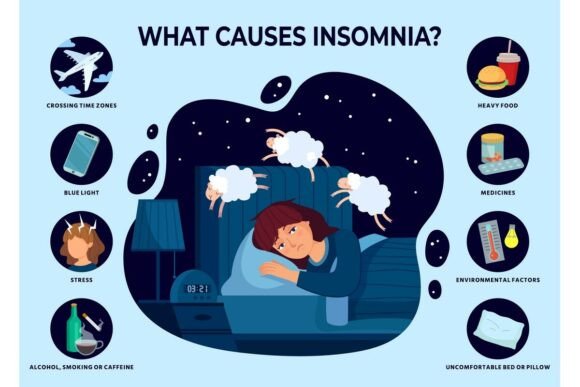
- Uncomfortable Pillow or Mattress: A poor sleeping environment can make it hard to relax. If your pillow doesn’t support your neck or your mattress is too firm or too soft, it can cause discomfort that disrupts your sleep cycle.
- Heavy Meals Before Bed: Eating a large meal close to bedtime can lead to indigestion, heartburn, or discomfort, making it harder to fall asleep. Your body works hard to digest food, which can interfere with rest.
- Caffeine and Nicotine: Both stimulants can stay in your system for hours, increasing alertness and delaying sleep. Coffee, energy drinks, and cigarettes are common culprits, especially if consumed late in the day.
- Alcohol Consumption: While alcohol might make you feel sleepy initially, it often leads to disrupted sleep later in the night. It can also reduce the quality of your rest, leaving you tired the next day.
- Medications: Some prescription and over-the-counter drugs can interfere with sleep. Antidepressants, decongestants, and even certain pain relievers may have side effects that impact your ability to sleep.
Environmental and Lifestyle Factors
Your surroundings and daily routines play a significant role in your sleep quality. For example, exposure to blue light from phones and computers before bed can suppress melatonin production, making it harder to fall asleep. Similarly, working late hours or having an irregular schedule can confuse your body’s internal clock.
Stress and anxiety are also major contributors. Worrying about work, relationships, or financial matters can keep your mind active at night. When stress becomes chronic, it can lead to long-term sleep issues that are difficult to resolve without targeted strategies.
Practical Tips for Better Sleep
If you’re struggling with insomnia, there are several practical steps you can take to improve your sleep. Start by creating a consistent bedtime routine. Go to bed and wake up at the same time every day, even on weekends. This helps regulate your body’s natural rhythms.
Limit screen time before bed. Instead, try reading a book, meditating, or listening to calming music. Avoid caffeine and nicotine in the late afternoon and evening. If you need to consume them, do so earlier in the day.
Make sure your bedroom is conducive to sleep. Keep it cool, dark, and quiet. Invest in a comfortable mattress and pillows that support your body. If noise is an issue, consider using white noise machines or earplugs.
When to Seek Help
If your sleep problems persist despite your best efforts, it may be time to consult a healthcare professional. Chronic insomnia can be a symptom of underlying conditions such as anxiety, depression, or sleep apnea. A doctor can help identify the root cause and recommend appropriate treatments, including therapy, medication, or lifestyle adjustments.
How Insomnia Affects Daily Life
The consequences of insomnia extend beyond just feeling tired. Poor sleep can impair cognitive function, making it harder to concentrate, make decisions, or retain information. It can also affect your mood, leading to irritability, stress, and even depression.
For professionals and entrepreneurs, this can mean reduced productivity and creativity. For educators and students, it can hinder learning and performance. Even for hobbyists and creatives, lack of sleep can stifle inspiration and motivation.
Creating a Sleep-Friendly Environment
Your workspace and living environment can significantly impact your sleep. If you work from home, try to separate your workspace from your sleeping area. Avoid using electronic devices in bed, and consider using blackout curtains to block out light.
Invest in a high-quality mattress and pillows that suit your sleeping position. If you sleep on your back, a supportive pillow is essential. If you sleep on your side, a thicker pillow can help align your neck properly.
Conclusion
Understanding the causes of insomnia is the first step toward better sleep. By identifying and addressing the factors that disrupt your rest, you can improve your health, mood, and overall quality of life. Whether you're adjusting your diet, managing stress, or optimizing your sleep environment, small changes can lead to significant improvements. Prioritize your sleep, and you’ll likely see positive changes in all areas of your life.