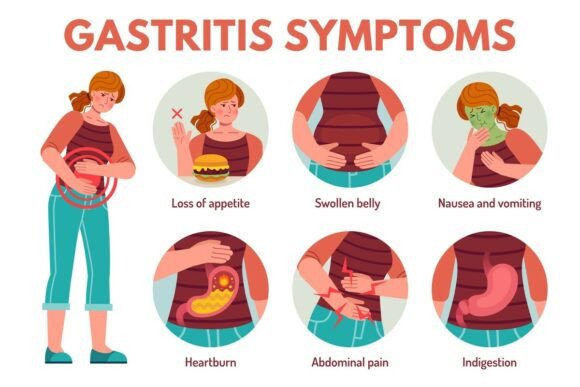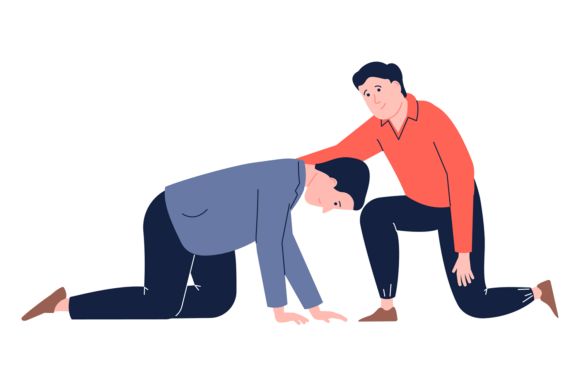
Medical Help. First Aid Emergency Infogr
Medical Help. First Aid Emergency Infogr is more than just a visual aid—it’s a practical tool designed to help people respond quickly and effectively in emergencies. Whether you're a parent, a teacher, a business owner, or someone who simply wants to be prepared, this infographic provides clear, actionable guidance on first aid procedures. Its design makes it easy to understand, share, and apply in real-world situations.
Where and When People Use Medical Help. First Aid Emergency Infogr
People use Medical Help. First Aid Emergency Infogr in a variety of settings, from home to work, school to travel. For example, a parent might keep a printed version of the infographic near the kitchen, where accidents are common. A teacher could display it in the classroom to teach students basic first aid. A small business owner might include it in their employee training materials to ensure everyone knows how to handle medical emergencies.
Travelers often download the infographic as a digital file, keeping it on their phone or tablet for quick reference during trips. This is especially useful when visiting areas with limited medical resources or when traveling with children. The infographic also serves as a valuable resource for event organizers, who need to have emergency protocols in place for large gatherings.
Realistic Use Cases Across Different Lifestyles
Consider a scenario where a family member suffers a minor burn while cooking. With Medical Help. First Aid Emergency Infogr nearby, the person can quickly follow the steps outlined—cooling the burn, covering it properly, and seeking further care if needed. Similarly, a hiker who encounters an injury during a trail can refer to the infographic to assess the situation and decide whether to apply a splint, stop bleeding, or call for help.
For educators, the infographic can be used to create interactive learning sessions. Students can practice identifying symptoms and responding appropriately. In professional environments, such as offices or factories, the infographic helps employees understand what to do in case of a medical emergency, reducing panic and improving response times.
How Different Users Benefit From Medical Help. First Aid Emergency Infogr
Entrepreneurs and small business owners may find the infographic useful for developing safety protocols. It can be incorporated into company handbooks or used during staff training to ensure that everyone is aware of emergency procedures. Marketers and content creators might use the infographic as part of their educational campaigns, sharing it on social media or embedding it in blog posts to provide value to their audience.
Freelancers and remote workers who often work alone may benefit from having the infographic on hand. If they experience a sudden health issue, like a headache or allergic reaction, they can quickly refer to the guide to take appropriate action. Hobbyists and DIY enthusiasts might use it to address injuries that occur during projects, such as cuts or sprains.
Practical Examples of Using Medical Help. First Aid Emergency Infogr
Imagine a community event where someone faints due to heat exhaustion. A volunteer with access to the infographic can quickly recognize the symptoms and take steps to cool the person down, elevate their legs, and seek medical assistance. In a school setting, a student who experiences a severe allergic reaction can be treated faster if teachers and staff are familiar with the steps outlined in the infographic.
Another example is a traveler who experiences a minor injury while abroad. Without local medical knowledge, they can rely on the infographic to guide them through basic first aid until professional help is available. This kind of preparation can make a significant difference in outcomes, especially in regions where language barriers or limited healthcare access exist.
What to Consider Before Using Medical Help. First Aid Emergency Infogr
Before using Medical Help. First Aid Emergency Infogr, it's important to understand its limitations. While it provides general guidelines, it should not replace professional medical advice. Always consult a healthcare provider for accurate diagnosis and treatment. Additionally, users should ensure they are familiar with the content and know how to apply the information correctly.
When choosing the format—EPS, JPG, SVG, or transparent PNG—consider where and how the infographic will be used. A high-resolution PNG may be better for printing, while an SVG file is ideal for digital use on websites or social media. For those who want to customize the design, EPS or SVG files offer greater flexibility.
Connecting Features to Real Outcomes
The clarity and simplicity of Medical Help. First Aid Emergency Infogr make it a powerful tool for education and emergency preparedness. Its visual layout ensures that even those without medical training can understand and act on the information provided. This is especially beneficial in high-stress situations where quick decisions are critical.
By incorporating the infographic into personal or professional settings, users can improve their ability to respond to medical emergencies effectively. Whether it's a minor injury or a life-threatening situation, having access to clear, reliable information can save time, reduce anxiety, and potentially prevent complications.