Food Poisoning Symptoms: Stomach Ache
Food poisoning symptoms, including stomach ache, can strike unexpectedly and disrupt daily life. Understanding these signs is crucial for quick action and recovery. Whether you're a parent, a chef, or simply someone who enjoys cooking, knowing the basics of food poisoning symptoms can help prevent serious health issues.
What Are Food Poisoning Symptoms?
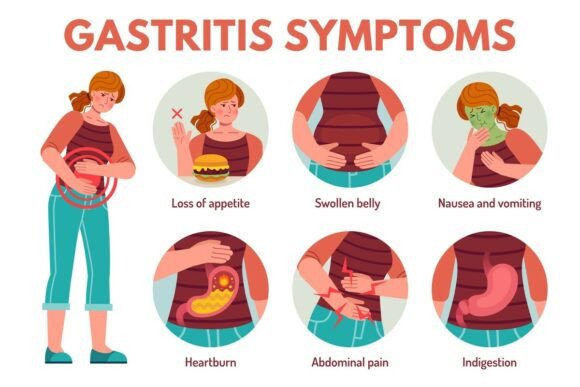
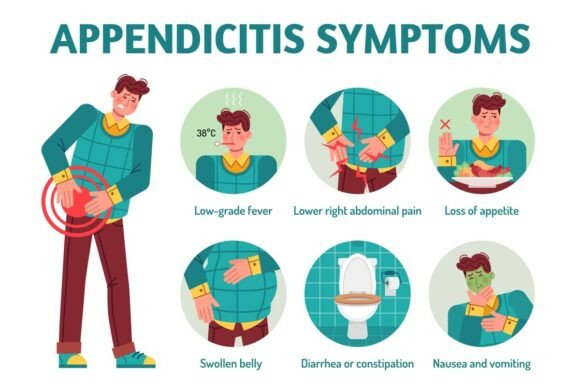
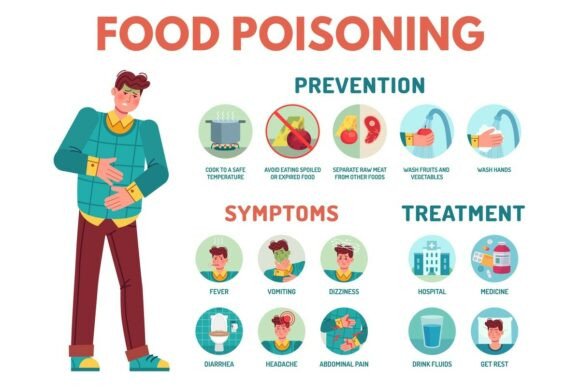
Food poisoning symptoms refer to the physical reactions your body has when harmful bacteria, viruses, or toxins enter your system through contaminated food or water. A common symptom is stomach ache, which can range from mild discomfort to severe pain. Other typical signs include nausea, vomiting, diarrhea, fever, and headache.
The main purpose of recognizing these symptoms is to identify the problem early and seek appropriate treatment. The characteristics of food poisoning vary depending on the type of contaminant and the individual's immune response. However, the value lies in being able to take swift action to protect yourself and others.
Why Care About Food Poisoning Symptoms?
Many people overlook the importance of understanding food poisoning symptoms until they experience them firsthand. For individuals who cook regularly, such as home chefs or small business owners, this knowledge can be invaluable. It helps in making informed decisions about food safety and preventing the spread of illness.
For parents, knowing the signs of food poisoning can mean the difference between a quick recovery and a trip to the emergency room. In professional settings, such as restaurants or catering services, awareness of these symptoms ensures compliance with health regulations and maintains customer trust.
Common Symptoms to Watch For
- Stomach Ache: Often the first sign, it may feel like cramping or sharp pain in the abdominal area.
- Vomiting: This is the body’s way of expelling harmful substances.
- Diarrhea: Frequent, watery bowel movements can lead to dehydration if not managed.
- Fever: A rise in body temperature indicates an infection.
- Headache: Can accompany other symptoms and add to overall discomfort.
How to Prevent Food Poisoning
Preventing food poisoning starts with good hygiene and safe food handling practices. Washing hands before eating or preparing food, keeping kitchen surfaces clean, and cooking food to the right temperature are essential steps. Additionally, avoiding cross-contamination between raw and cooked foods can significantly reduce the risk of illness.
Using tools like a food thermometer ensures that meat is cooked properly. Storing leftovers correctly and not leaving perishable items out for too long also plays a role in prevention. These simple habits can make a big difference in maintaining health and avoiding the discomfort of food poisoning symptoms.
When to Seek Medical Help
If symptoms persist for more than a couple of days or become severe, it’s important to consult a healthcare professional. Severe dehydration, high fever, or blood in the stool are signs that require immediate attention. For children, elderly individuals, or those with weakened immune systems, even mild symptoms should not be ignored.
Understanding the severity of food poisoning symptoms helps in making timely decisions. It’s better to err on the side of caution when it comes to health, especially when dealing with vulnerable groups.
Using Food Poisoning Symptoms Knowledge in Daily Life
Whether you're planning a family meal, managing a restaurant, or teaching a cooking class, knowing the signs of food poisoning can enhance your approach to food safety. For example, if you notice a guest experiencing stomach ache after eating, you can act quickly to ensure their well-being and prevent further incidents.
In educational settings, teachers can use this information to create engaging lessons on health and nutrition. Entrepreneurs running food businesses can integrate this knowledge into their training programs, ensuring staff are prepared to handle any situation.
Key Considerations Before Learning More
- Stay Informed: Keep up-to-date with the latest guidelines on food safety and illness prevention.
- Consult Experts: Healthcare professionals can provide personalized advice based on individual health conditions.
- Use Reliable Sources: Always verify information from trusted medical or health organizations.
Conclusion
Food poisoning symptoms, including stomach ache, are a common but serious concern. By understanding what to look for, how to prevent it, and when to seek help, you can protect yourself and others. Whether you're a beginner or an experienced cook, this knowledge adds value to your daily routine and contributes to a healthier lifestyle.