Infographic with Info Layout
Infographics with info layouts are powerful tools that transform complex information into clear, visually engaging content. These graphics break down intricate subjects into digestible parts, making it easier for people to understand and retain knowledge. Whether you're a student, professional, or business owner, an effective infographic can simplify your workflow and enhance communication.
What Is an Infographic with Info Layout?
An infographic with info layout is a visual representation of data, concepts, or processes structured in a way that guides the viewer through a topic step by step. It uses sections, icons, and diagrams to present information logically and intuitively. This format is especially useful when dealing with multi-faceted topics that require clarity and organization.
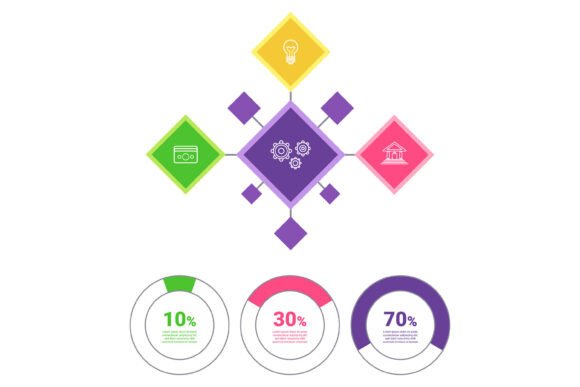
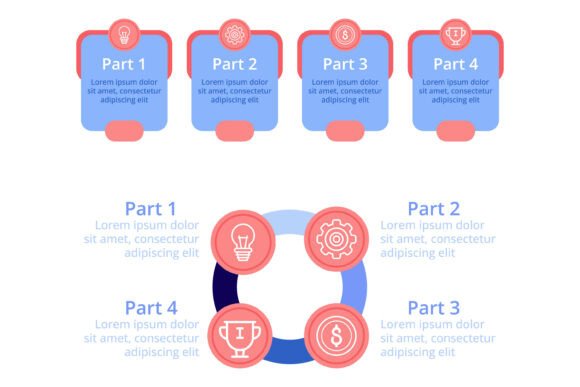
The layout often includes labeled partitions, which help users navigate through different aspects of a subject. Icons are used to reinforce key points and add visual interest. A central circular diagram may also be included, serving as a focal point that simplifies even the most complicated ideas.
Why Different Audiences Care About It
People from various backgrounds may find value in infographics with info layouts, but their reasons for using them can vary significantly. For example:
- Beginners might use these visuals to grasp foundational concepts without getting overwhelmed by jargon.
- Professionals could rely on them for quick reference during meetings or presentations.
- Creators may incorporate them into their work to explain complex ideas to their audience.
- Educators can use them as teaching aids to make lessons more engaging and interactive.
- Business owners might leverage them for marketing materials or internal training sessions.
- Consumers could benefit from them when trying to understand product features or service details.
- Hobbyists might use them to explore new interests or share knowledge with others.
How Different Users Might Approach It
Each user group has unique priorities when evaluating an infographic with info layout. For instance:
- Ease of use: A beginner might prioritize simple navigation and clear explanations over advanced design elements.
- Cost: A small business owner may look for affordable or free options that still deliver high-quality visuals.
- Quality: A professional might focus on the accuracy and depth of the information presented.
- Flexibility: A creator could need adaptable templates that allow for customization.
- Presentation: An educator might choose an infographic that aligns with their teaching style and classroom needs.
- Speed: A marketer may prefer a tool that allows quick creation and sharing of content.
- Reliability: A business owner might seek consistent results across multiple projects.
- Creativity: A designer could look for unique styles that stand out and capture attention.
- Learning value: A student might focus on infographics that support their educational goals.
- Commercial value: A publisher may assess how well an infographic can drive engagement or sales.
- Long-term usefulness: A researcher could consider how relevant the information remains over time.
Practical Examples for Different Readers
Understanding how to apply an infographic with info layout depends on your role and goals. Here are some examples:
- Students: Use infographics to study complex subjects like biology, history, or mathematics. Visual breakdowns can help reinforce concepts and improve retention.
- Marketers: Share infographics on social media to explain product benefits, industry trends, or customer journeys. They can boost engagement and drive traffic to websites.
- Entrepreneurs: Present business plans or market research through infographics to investors or partners. Clear visuals can make your pitch more compelling.
- Teachers: Incorporate infographics into lesson plans to illustrate abstract ideas or historical events. They can make learning more dynamic and accessible.
- Freelancers: Use infographics to showcase your skills, portfolio, or services. They can serve as a quick and professional introduction to potential clients.
- Bloggers: Add infographics to posts to break down detailed topics and provide value to readers. They can increase time spent on the page and improve SEO.
- Small business owners: Create infographics to explain company processes, values, or services. They can be used in emails, brochures, or on your website.
- Hobbyists: Explore infographics related to your interests, such as photography, cooking, or fitness. They can help you learn new techniques or stay inspired.
Choosing the Right Infographic for Your Needs
Not every infographic with info layout will suit every person or project. To determine if it's right for you, ask:
- Do I need to communicate a complex idea clearly?
- Will this help my audience understand or remember the information better?
- Is the design aligned with my goals and audience preferences?
- Can I customize or adapt it for my specific use case?
- Does it offer long-term value or just temporary relevance?
By considering these factors, you can identify whether an infographic with info layout is a good fit for your needs. Whether you're looking to educate, inform, or persuade, the right visual can make all the difference.