Steps for Effective Project Planning: A Four-Stage Infographic Guide
Project planning is the foundation of any successful endeavor, whether you're managing a small team or leading a large-scale initiative. It involves setting clear goals, organizing resources, and outlining the steps needed to achieve those objectives. Without proper planning, even the most promising projects can run into obstacles, delays, or failures. In this article, we'll explore the essential steps for effective project planning and introduce a four-stage infographic designed to simplify the process.
What Is Project Planning?
Project planning is the process of defining a project’s scope, objectives, timeline, budget, and key deliverables. It serves as a roadmap that guides teams through the complexities of execution. A well-structured plan helps identify potential risks, allocate resources efficiently, and ensure that everyone involved is aligned with the project's goals.
Effective project planning isn’t just about creating a schedule—it’s about anticipating challenges, setting realistic expectations, and fostering collaboration among stakeholders. Whether you're launching a new product, organizing an event, or implementing a digital transformation, a solid plan can make all the difference.
The Importance of Project Planning
Why is project planning so crucial? Let’s break it down:
- Clarity and Focus: A clear plan keeps everyone on the same page, reducing confusion and miscommunication.
- Resource Management: Proper planning ensures that time, money, and personnel are used effectively.
- Risk Mitigation: By identifying potential issues early, you can develop contingency plans and avoid costly setbacks.
- Improved Efficiency: A structured approach allows teams to work more cohesively and meet deadlines with greater confidence.
Without a plan, projects often suffer from scope creep, missed deadlines, and budget overruns. That’s why project planning is not just a preliminary step—it’s a continuous process that evolves as the project progresses.
Understanding the Four-Stage Infographic
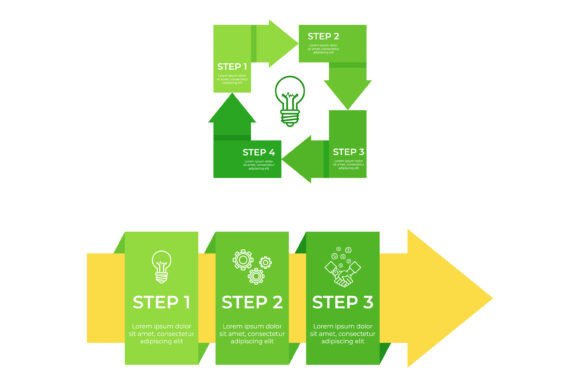
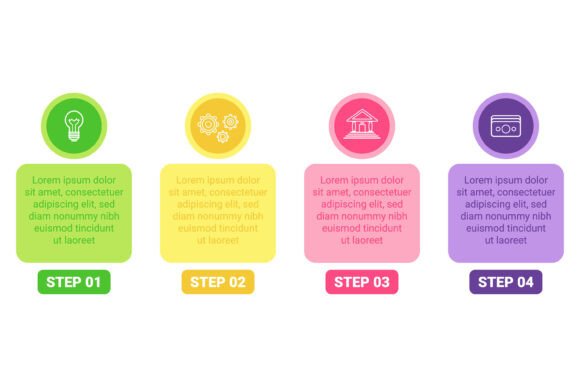
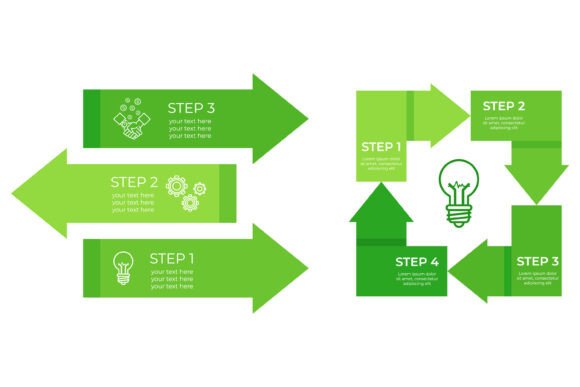
To help visualize the project planning process, we’ve created a four-stage infographic. Each stage is decorated with intuitive arrows and distinctive icons, making it easy to follow and understand. The design is rendered in attention-grabbing green, ensuring it stands out as a powerful visual tool for your project management efforts.
This infographic is highly customizable, with dedicated placeholders at each step. You can tailor it to represent your specific tasks, information, and workflow. Whether you're working on a software development project, a marketing campaign, or a construction site, this graphic can be adapted to suit your needs.
Stage 1: Define the Project Scope
The first step in any project is to define its scope. This involves identifying what the project aims to accomplish, who the stakeholders are, and what success looks like. A well-defined scope prevents misunderstandings and ensures that all efforts are directed toward achieving the intended outcome.
Key elements of this stage include:
- Clarifying the project’s purpose and objectives.
- Identifying the target audience or end users.
- Outlining the deliverables and expected outcomes.
For example, if you’re launching a new mobile app, the scope might include features like user registration, payment integration, and customer support. Defining these details early on helps set the direction for the entire project.
Stage 2: Plan the Timeline and Resources
Once the scope is established, the next step is to create a detailed timeline and allocate necessary resources. This includes determining the project’s start and end dates, breaking down tasks into smaller milestones, and assigning responsibilities to team members.
Effective resource planning also involves:
- Estimating the budget and financial requirements.
- Identifying the tools, technology, and personnel needed.
- Setting up communication channels and regular check-ins.
Consider using a Gantt chart or project management software to track progress and manage deadlines. This stage is critical for ensuring that the project stays on track and that all team members know what is expected of them.
Stage 3: Execute the Plan
With the plan in place, it’s time to put it into action. This stage involves carrying out the tasks outlined in the project plan, monitoring progress, and addressing any issues that arise. It’s important to maintain open lines of communication and stay flexible, as unexpected challenges may require adjustments to the original plan.
During execution, you should:
- Monitor task completion and team performance.
- Address roadblocks and resolve conflicts promptly.
- Keep stakeholders informed of progress and changes.
For instance, if a software development project encounters a technical delay, the team may need to adjust the timeline or reallocate resources to keep things moving forward.
Stage 4: Review and Improve
The final stage of project planning is to review the results and identify areas for improvement. This involves evaluating whether the project met its objectives, analyzing what went well, and learning from any mistakes or challenges encountered.
Key activities in this stage include:
- Conducting a post-project review or retrospective.
- Gathering feedback from stakeholders and team members.
- Documenting lessons learned for future projects.
By reflecting on the project’s outcomes, you can refine your processes and improve efficiency for future endeavors. This continuous improvement cycle is essential for long-term success in project management.
How the Infographic Enhances Project Planning
The four-stage infographic provides a clear and visually engaging way to navigate the project planning process. Its intuitive design makes it easy to understand, even for those new to project management. With distinct icons and arrows, it guides users through each step, ensuring that no detail is overlooked.
Moreover, the infographic’s green color scheme is not only eye-catching but also symbolizes growth, focus, and clarity—qualities that align perfectly with the principles of effective project planning. Whether you’re presenting the plan to a team, sharing it with stakeholders, or using it as a reference during execution, this visual tool can significantly enhance your project management workflow.
Conclusion
Effective project planning is a vital skill in today’s fast-paced world. Whether you're managing a business initiative, organizing an event, or working on a creative project, a well-structured plan can help you achieve your goals with greater confidence and efficiency. By following the four stages outlined in this article and utilizing the accompanying infographic, you can streamline your project planning process and increase your chances of success.
Remember, project planning is not a one-time task—it’s an ongoing process that requires adaptability, communication, and continuous improvement. With the right tools and strategies, you can turn even the most complex projects into manageable and rewarding experiences.