Steps for Effective Planning
Effective planning is the cornerstone of successful execution, whether you're managing a business project, launching a creative endeavor, or setting personal goals. At its core, Steps for Effective Planning is a structured approach that helps individuals and teams break down complex tasks into manageable actions. This method ensures clarity, direction, and accountability throughout the process.
Understanding where Steps for Effective Planning fits in a broader context is essential. It acts as a bridge between idea generation and action, offering a framework that can be applied across various scenarios. From strategic business decisions to daily task management, this methodology supports both short-term objectives and long-term aspirations.
Integrating Steps for Effective Planning into Different Workflows
Steps for Effective Planning is not confined to a single use case. It can be utilized before, during, or after any significant activity. For instance, before starting a new project, it helps define goals, allocate resources, and set timelines. During implementation, it serves as a reference point to track progress and adjust strategies as needed. After completion, it provides insights for future improvements and learning.
This flexibility makes it a valuable tool in diverse environments. Entrepreneurs can use it to outline business strategies, while educators might apply it to design lesson plans. Marketers can leverage it to structure campaigns, and freelancers can use it to manage client projects. The adaptability of Steps for Effective Planning ensures that it remains relevant regardless of the field or industry.
How Steps for Effective Planning Interacts with Other Tools and Methods
While Steps for Effective Planning is a standalone methodology, it often works in conjunction with other tools and techniques. For example, it complements project management software like Trello or Asana by providing a clear roadmap of what needs to be done. It also aligns well with agile methodologies, where iterative planning and continuous improvement are key components.
Additionally, it integrates seamlessly with decision-making frameworks such as SWOT analysis or the Eisenhower Matrix. These tools help identify priorities and potential obstacles, which can then be addressed through the structured steps outlined in the planning process. By combining these approaches, users can create a more comprehensive and robust strategy.
Collaboration is another area where Steps for Effective Planning shines. When working with teams, it promotes transparency and shared understanding. Each step can be assigned to specific individuals or groups, ensuring that everyone knows their role and responsibilities. This level of organization enhances efficiency and reduces the likelihood of miscommunication or oversight.
Practical Implementation Tips and Workflow Examples
Implementing Steps for Effective Planning requires a balance of preparation and adaptability. Start by clearly defining your objective. Ask yourself: What do I want to achieve? Why is this important? Who is involved? Answering these questions sets the foundation for the rest of the process.
Next, break down the goal into smaller, actionable steps. For example, if you're planning a marketing campaign, your steps might include researching your audience, developing content, scheduling posts, and analyzing results. Each step should have a defined timeline, responsible party, and success criteria.
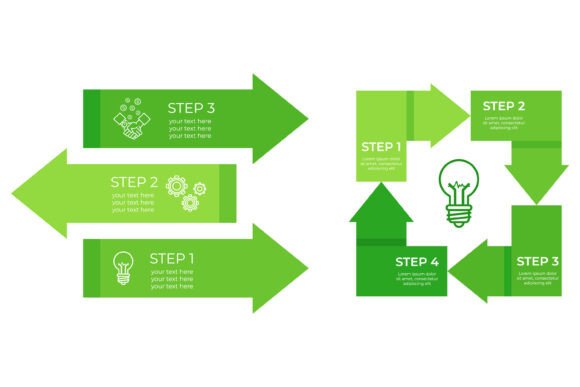
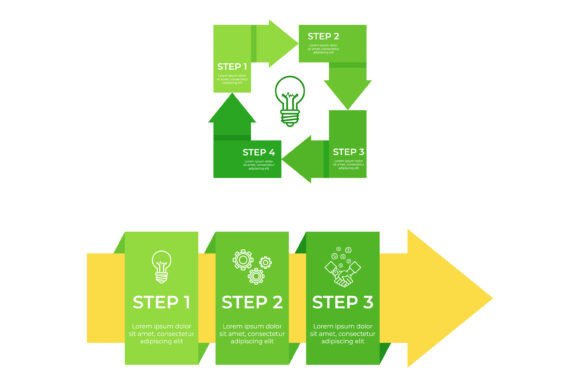
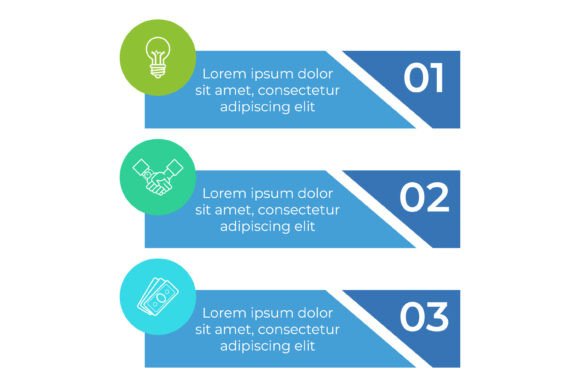
Consider using visual aids to enhance comprehension. A meticulously designed infographic can illustrate the three essential steps of effective planning, making it easier to follow and remember. The first step might focus on defining the goal, the second on resource allocation, and the third on monitoring and adjustment. Each step is accompanied by an icon and brief explanation, ensuring that even complex concepts are easily digestible.
Another practical tip is to review and refine your plan regularly. As circumstances change, so should your approach. This ongoing evaluation ensures that your plan remains relevant and effective. It also allows for quick adjustments without derailing the entire process.
Factors That Influence the Success of Steps for Effective Planning
Several factors contribute to the effectiveness of Steps for Effective Planning. Preparation is crucial—without a solid foundation, even the best-laid plans can fail. This includes gathering necessary information, identifying potential challenges, and securing required resources.
Compatibility with existing systems and workflows is also important. If your planning method conflicts with how you currently operate, it may lead to resistance or inefficiency. Ensuring that Steps for Effective Planning aligns with your current tools and processes increases the likelihood of adoption and success.
Usability plays a significant role in long-term effectiveness. A method that is too complicated or time-consuming may not be sustainable. Simplicity and clarity are key. By keeping each step focused and straightforward, users are more likely to engage with the process consistently.
Consistency in applying the steps is another critical factor. Regular use of the planning framework builds habits and reinforces good practices. Over time, this leads to improved productivity, better decision-making, and greater overall success.
Conclusion: Embracing a Structured Approach to Planning
Steps for Effective Planning offers a powerful way to organize thoughts, manage tasks, and achieve goals. By breaking down complex processes into clear, actionable steps, it empowers individuals and teams to work with purpose and precision. Whether you're tackling a large-scale project or simply trying to improve your daily routine, this methodology can make a meaningful difference.
As you integrate Steps for Effective Planning into your workflow, remember that the goal is not just to follow a set of instructions but to develop a mindset of intentional and strategic thinking. With practice and refinement, this approach can become an invaluable part of your professional and personal life.