Steps to Achieve Goal in Process: A Dynamic Four-Step Method
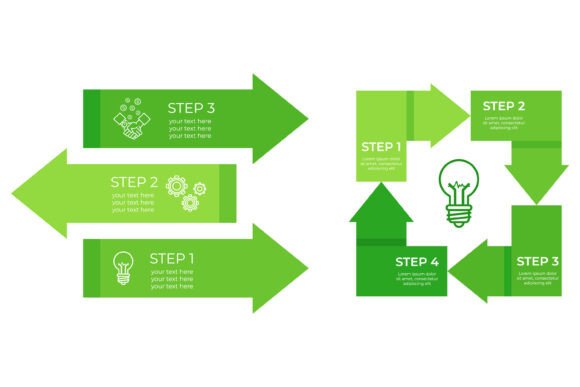
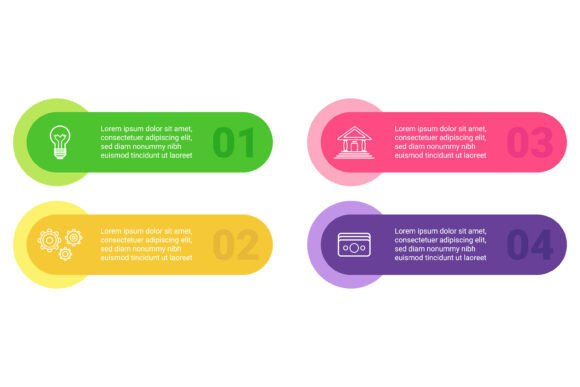
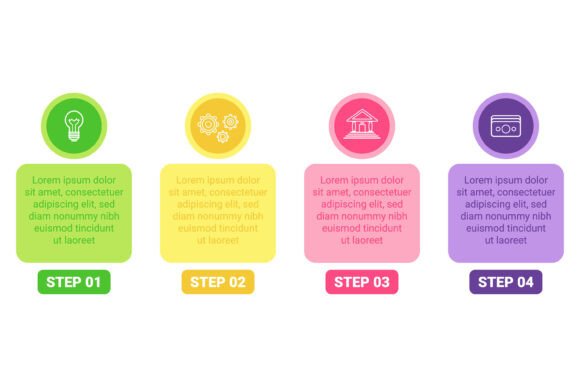
The journey toward achieving a goal is often complex, filled with obstacles and uncertainties. However, by breaking the process into manageable parts, it becomes more approachable and structured. A dynamic four-step method offers a clear pathway, guiding individuals through each stage of their journey with purpose and precision. This infographic provides a visual representation of the steps, using vivid imagery and distinct symbols to illustrate concepts, tools, and institutions involved at each stage.
Understanding the Foundation of the Four-Step Approach
The four-step method is designed to simplify the path to success by organizing the journey into logical phases. Each step builds upon the previous one, ensuring that progress is both meaningful and sustainable. The first phase focuses on identifying the goal and understanding its significance. This involves introspection, research, and defining what success looks like. Without a clear vision, the subsequent steps may lack direction or purpose.
For instance, a business owner aiming to launch a new product must first determine the target audience, market demand, and potential challenges. This foundational step ensures that all future actions are aligned with the ultimate objective. The infographic uses a symbol representing a compass or map to signify this initial phase, emphasizing the importance of direction in any goal-oriented process.
Planning the Path Forward
Once the goal is defined, the next step involves creating a detailed plan. This includes setting milestones, allocating resources, and determining the necessary tools or strategies. Effective planning minimizes risks and increases the likelihood of successful execution. It also allows for flexibility, as adjustments can be made based on real-time feedback and changing circumstances.
A project manager overseeing a software development initiative would use this phase to outline timelines, assign tasks, and identify potential roadblocks. The infographic might depict a roadmap or blueprint as the symbol for this stage, highlighting the structured approach required to transform ideas into actionable steps.
Implementing the Strategy
The third step is about taking action. This phase requires commitment, discipline, and consistent effort. It is where the theoretical plan is put into practice, and where the real work begins. Success during this stage depends on the quality of the prior steps—without proper planning, implementation can become chaotic and inefficient.
Consider an artist working on a large-scale mural. The implementation phase involves applying colors, textures, and details according to the pre-designed layout. The infographic could use a paintbrush or palette as the symbol for this stage, illustrating the creative and hands-on nature of executing a plan.
Reviewing and Refining the Process
The final step in the four-step method is evaluation. This involves assessing the outcomes, identifying areas for improvement, and making necessary adjustments. Continuous refinement ensures that the process remains effective and adaptable over time. It also fosters a culture of learning and growth, which is essential for long-term success.
A teacher implementing a new curriculum might review student performance data, gather feedback from students and colleagues, and adjust lesson plans accordingly. The infographic might use a magnifying glass or scale as the symbol for this phase, representing the need for careful analysis and measurement.
Benefits of the Four-Step Method
The four-step method offers several advantages, including clarity, structure, and adaptability. By breaking down the process into smaller, manageable components, individuals can focus on one task at a time without feeling overwhelmed. This approach also encourages accountability, as each step has specific goals and outcomes.
Additionally, the method promotes a sense of accomplishment, as completing each stage provides a tangible sense of progress. This can be particularly motivating for those who struggle with maintaining momentum. The infographic’s visual elements reinforce these benefits by illustrating the smooth transition between stages, emphasizing how each step contributes to the overall journey.
Real-World Applications of the Four-Step Method
The four-step method is applicable across various fields and scenarios. In business, it can be used to streamline operations, improve customer service, or develop new products. In education, it helps students break down complex assignments into smaller, more manageable tasks. For personal development, it supports goal-setting and habit formation.
For example, a fitness enthusiast aiming to lose weight might follow the four-step method by first defining their goal, then creating a workout and nutrition plan, implementing the routine, and regularly tracking progress. The infographic’s visual cues help make this process intuitive and easy to follow, regardless of the individual’s background or experience level.
Key Considerations When Using the Four-Step Method
While the four-step method is effective, it is not a one-size-fits-all solution. The success of the approach depends on factors such as the complexity of the goal, available resources, and individual preferences. Some goals may require additional steps or adjustments, while others may benefit from a more flexible framework.
It is also important to remain open to change and to seek feedback throughout the process. No plan is perfect, and being willing to adapt ensures that the method remains relevant and useful. The infographic’s design emphasizes this adaptability by showcasing how each step can be modified or enhanced based on specific needs and circumstances.
Conclusion
The four-step method provides a structured yet flexible approach to achieving goals, offering a clear path from planning to execution. Its visual representation in the infographic makes the process more engaging and accessible, helping users navigate each stage with confidence. Whether applied in professional, educational, or personal contexts, this method demonstrates the power of organization, intention, and continuous improvement in the pursuit of success.