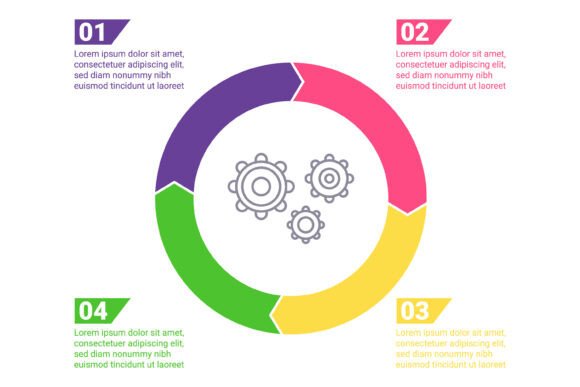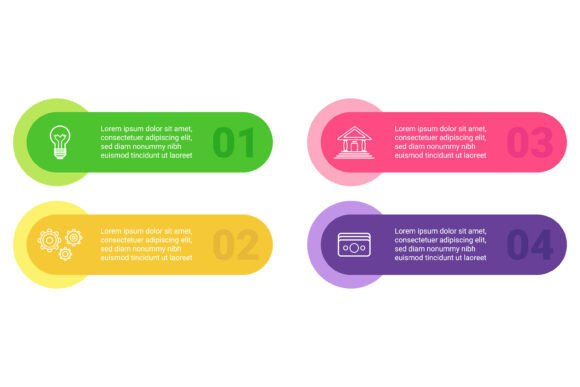
Infographic of Process Steps
Infographics are powerful tools for simplifying complex ideas. An infographic of process steps is a visual guide that breaks down a sequence of actions into clear, digestible parts. Each step is often represented by an icon, making it easy to follow and remember. This type of design is especially useful when explaining workflows, project phases, or decision-making processes.
Whether you're a student trying to grasp a new concept, a business owner looking to streamline operations, or a creative professional seeking inspiration, an infographic of process steps can be a valuable resource. Its clarity and structure make it accessible to people at all skill levels.
Why Different Audiences Care About It
For beginners, an infographic of process steps can serve as a roadmap. It helps them understand what to expect and how to move forward without feeling overwhelmed. For example, a new blogger might use such an infographic to visualize the steps involved in launching a website, from choosing a platform to publishing content.
Experienced users may appreciate the efficiency of a well-designed infographic. A project manager could rely on it to communicate a workflow to their team, ensuring everyone is aligned and working toward the same goal. The visual nature of the infographic reduces confusion and speeds up decision-making.
Creators and designers often look for infographics that are both informative and aesthetically pleasing. A graphic designer might evaluate an infographic based on its color scheme, icon style, and layout. They may also consider how easily the design can be adapted for different platforms or purposes.
Professionals in fields like marketing or education may use an infographic of process steps to present information in a way that's engaging and easy to share. A teacher, for instance, might use it to explain a scientific method or historical event, making abstract concepts more tangible for students.
How Different Users Might Evaluate It
When evaluating an infographic of process steps, users often have different priorities. Some may focus on ease of use, looking for a design that's intuitive and straightforward. Others might prioritize quality, checking for accuracy, consistency, and visual appeal.
Flexibility is another key factor. A small business owner might want an infographic that can be customized for various audiences or integrated into a larger presentation. A freelancer, on the other hand, might value speed and reliability—ensuring the design is easy to access and share across devices.
Creativity plays a role for those who want to stand out. A marketer might seek an infographic with unique icons and a bold color palette to capture attention. Meanwhile, a student or hobbyist might prefer something simple and functional, focusing on clarity over aesthetics.
Learning value is important for educators and self-learners. An infographic that clearly explains each step can help reinforce knowledge and improve retention. For entrepreneurs, commercial value might be the main concern—whether the infographic can be used to promote a product or service effectively.
Practical Examples for Different Readers
A beginner in digital marketing might use an infographic of process steps to understand the stages of a campaign, from research to execution. It would provide a structured overview, helping them avoid common pitfalls and stay on track.
An experienced developer could use the same infographic to outline the steps for building a software application. They might focus on the technical aspects, such as coding, testing, and deployment, using the visual guide to ensure no step is missed.
A teacher planning a lesson on environmental science might incorporate an infographic of process steps to explain the water cycle. The visual elements would make the concept more relatable and easier to grasp for students of all ages.
A small business owner looking to improve customer service might use the infographic to map out the support process, from initial contact to resolution. This would help identify areas for improvement and ensure a consistent experience for customers.
A hobbyist interested in photography could benefit from an infographic that outlines the steps for editing a photo. It would break down the process into manageable parts, making it easier to learn and apply new techniques.
Does It Match Your Goals?
If you're looking for a tool that simplifies complex processes, an infographic of process steps could be a great fit. Consider your specific needs: Are you trying to teach others, streamline your workflow, or present information in a visually appealing way?
If you're a beginner, look for an infographic that is easy to follow and provides clear explanations. If you're an expert, focus on one that offers depth and flexibility. For creators, prioritize design and adaptability. For professionals, emphasize clarity and practicality.
Ultimately, the right infographic depends on your goals, preferences, and the audience you're trying to reach. Take time to explore different options and choose one that aligns with your needs and values.